Should you use language apps like Duolingo, attend traditional German classes, hire a private tutor, or simply learn German for free on YouTube?
As a native German speaker, I’ve helped thousands of students on YouTube and in my courses learn German so they can study and work in Germany. I noticed that choosing the right learning method makes a big difference in how quickly you progress.
In this guide, we’ll compare all the different ways to learn German. And at the end, I’ll explain which method I personally recommend for beginners.
1. Language Learning Apps
Language apps are probably one of the easiest ways to get started with German. Popular options are Duolingo, Babbel, and Busuu. Most of these apps are either completely free or offer affordable subscriptions, which cost about €10 per month.
The biggest advantage: flexibility. You can practice German whenever you want through short, interactive exercises and daily learning challenges.
But there’s one major disadvantage: Language apps are good for learning basic vocabulary and phrases, but they usually don’t teach German in enough depth to prepare you for real conversations or official language exams. You might become good at picking the right multiple choice answer, but that doesn’t necessarily mean you can actually use German.
2. Traditional German Language Classes
Another popular option is attending German classes at a language institute (e.g. Goethe-Institut or a local language school). These classes usually follow a structured curriculum, you have fixed lesson times and a teacher.
The biggest advantage: you can interact directly with your teacher, ask questions, practice speaking, and get instant feedback. You also follow a clear learning schedule, so this can help you progress quicker.
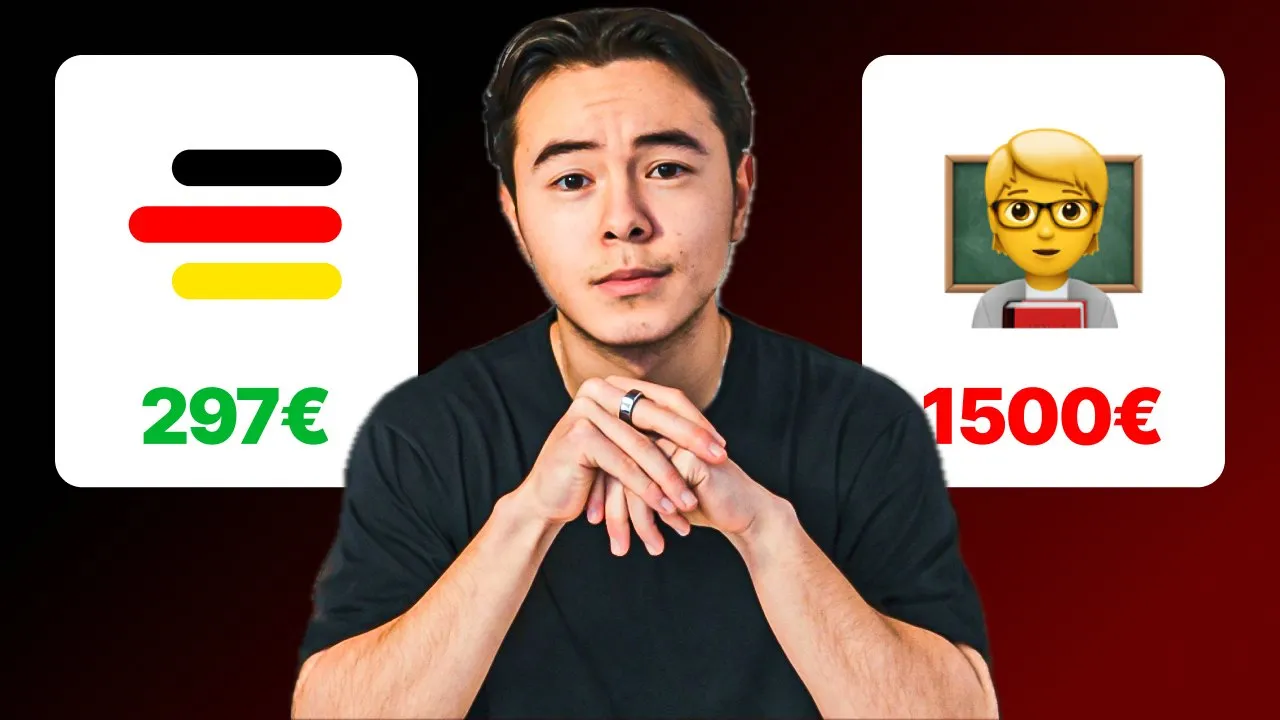
But traditional language classes can be expensive. They often cost €250 to €1,000 or more, depending on the institute and location. Some even charge separately for A1.1 and A1.2. You can find a detailed breakdown in my guide on how much it costs to learn German.
One more disadvantage: flexibility. You’ll have to attend classes at fixed times, and if you’re studying or working, this can become difficult. Also, since you’re learning together with other students, the speed of the lessons might not always match your personal learning speed. Slower students could drag down the speed of the class.
3. German Language Books
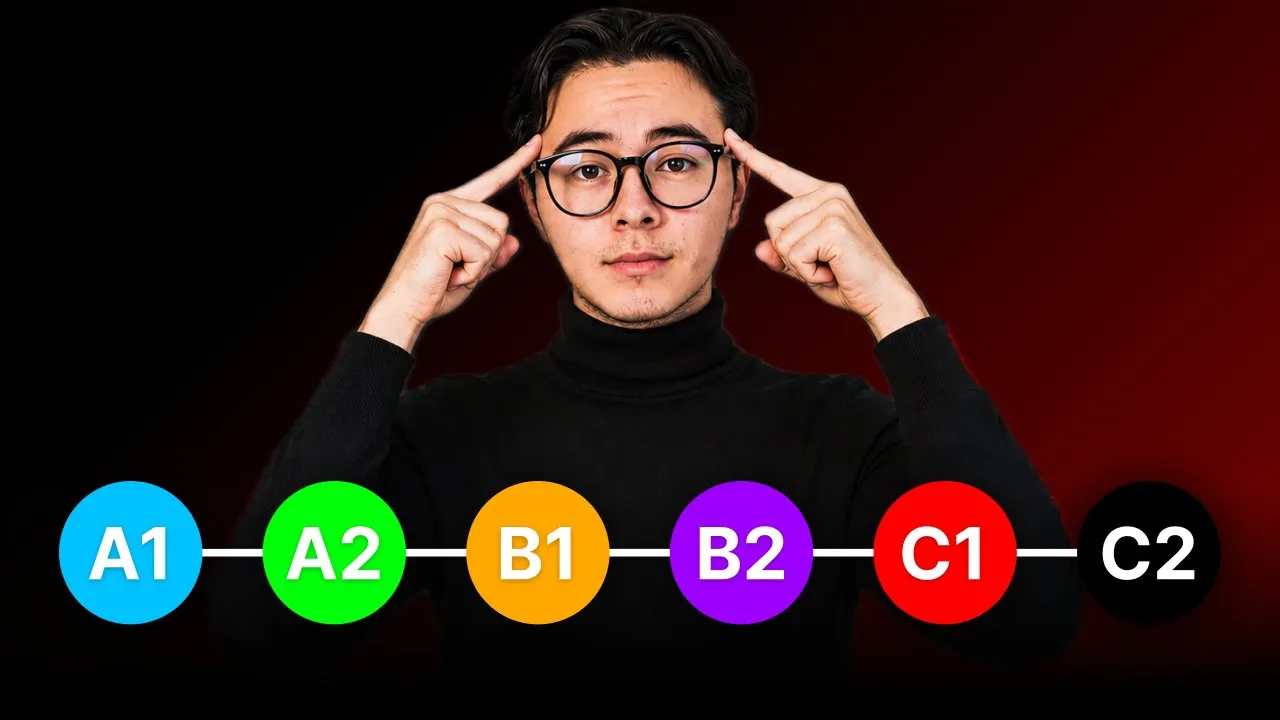
German textbooks and workbooks are another popular way to learn the language. You can find books that are designed for A1, A2, B1, and higher language levels. They usually cover grammar, vocabulary, reading comprehension, and exercises.
The advantage: you only pay once and can use the book as often as you want. You also have complete flexibility because you can study whenever you want and progress at your own pace.
The biggest limitation: practical application. Books can teach you grammar and vocabulary, but they don’t really help you pronounce words correctly or use German naturally in conversations. And without additional audio materials or feedback, improving your listening and speaking skills is difficult. And individual textbooks are usually quite affordable but if you buy separate coursebooks and workbooks for A1 to B2, you could easily spend €150-€200 or more.
4. Private German Tutors
If you want personalized lessons, a private German tutor is one of the most effective ways to learn German. Unlike traditional language classes, a tutor focuses entirely on you and adapt lessons to your learning speed, weaknesses, and personal goals.
Private tutoring is especially useful to improve your speaking skills. You can practice real conversations, get instant feedback, and scheduling the lesson is more flexible than at a language institute.
The biggest disadvantage here is the price. Private German tutors often charge around €10 to €50 per hour, sometimes even more. And since you need many study hours to learn German, the total cost will be extremely high.
5. Free German Learning Resources (YouTube, Websites, Blogs)
Now, what about learning German completely for free? There are thousands of German lessons available on YouTube, websites, and educational platforms.
The biggest advantage is obvious: You don’t have to spend any money. You also have flexibility because you can decide what to study and when.
But, there’s one huge issue that I see all the time. Many beginners watch random German videos without a proper learning plan. One day, they study German articles. The next day, they watch a video about the past tense. And a week later, they learn advanced words. And on top of that, there is also so much misleading AI slop content out there that confuses beginners.
Now, there are some excellent free resources out there, but there’s also a lot of low-quality content. And unlike a well-developed course, random free lessons don’t necessarily follow a consistent curriculum or give you everything you need to reach your desired language level.
So you can spend months without making much progress. And especially if you’re preparing for an official Goethe exam, it’s extremely important to follow a structured curriculum with exercises and exam preparation.
6. Online German Language Courses
Finally, we have online German courses. They usually put pre-recorded video lessons, exercises, and additional learning materials into one structured program.
The biggest advantage: you can learn whenever and wherever you want, without fixed schedules or commuting to a language institute. Online courses are also usually much more affordable than traditional classes, and a good course gives you a clear curriculum with everything you need to make progress. On the market, they usually cost something between €60 and €500 per level.
But not every online course is equally good. Some lack proper exercises or exam preparation. And since most pre-recorded courses don’t include live conversations, you’ll still need to practice your speaking with other people.
7. Comparison: What’s the Best Way to Learn German?
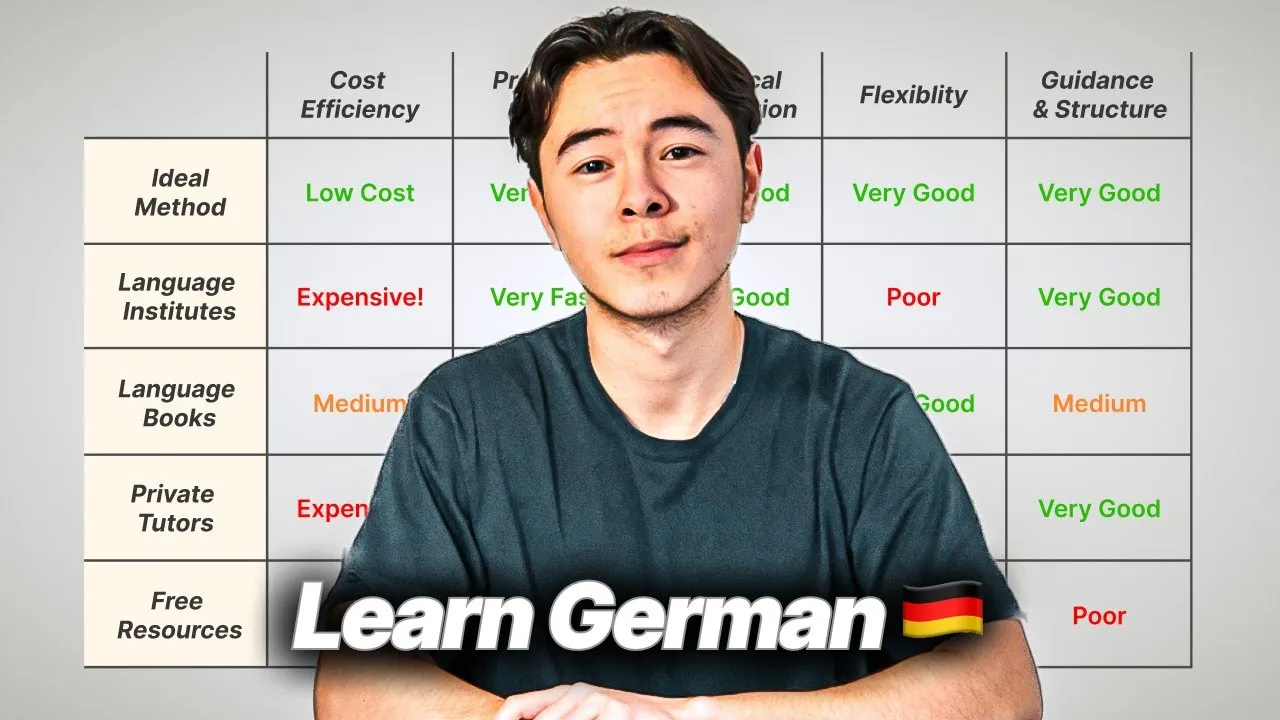
Here is an overview of the six methods, based on the five factors that I consider most important: cost efficiency, progress speed, practical application, flexibility, and guidance.
| Learning Method | Cost Efficiency | Progress Speed | Practical Application | Flexibility | Guidance & Structure |
|---|---|---|---|---|---|
| Language Apps | Low Cost | Medium | Medium | Very Good | Medium |
| Language Institutes | Expensive | Very Fast | Very Good | Poor | Very Good |
| Language Books | Medium | Medium | Medium | Very Good | Medium |
| Private Tutors | Expensive | Very Fast | Very Good | Very Good | Very Good |
| Free Resources | Free | Slow | Medium | Very Good | Poor |
| Online Course | Low Cost | Very Fast | Very Good | Very Good | Very Good |
So what would the ideal learning method look like?
I believe it should combine the advantages of all the methods we’ve discussed: You want something affordable, flexible, and effective, with a clear learning structure and everything you need to make progress as a beginner.
That’s why I created SpeedyGerman, an affordable online learning program that has already helped over 6,000 students learn German.
Our courses cover German from A1 to B2 and bring everything together in one place: structured lessons, practical exercises, vocabulary practice, and complete Goethe exam preparation. And with lifetime access, you can study whenever and wherever you want, without fixed schedules or expensive language classes.